Blogs & News

On sorting catastrophe - the discipline I first ran in a failing arms room, carried through every system I have set foot in, and finally pointed at food.
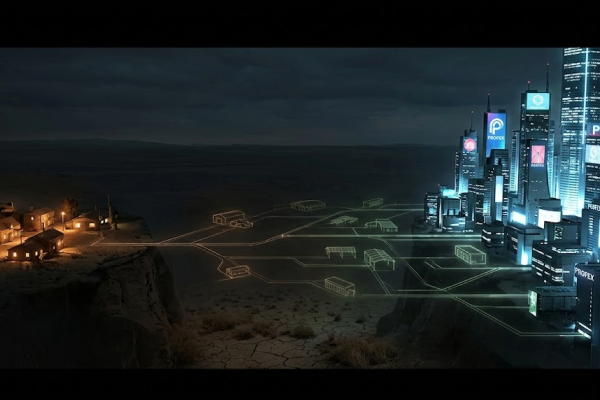
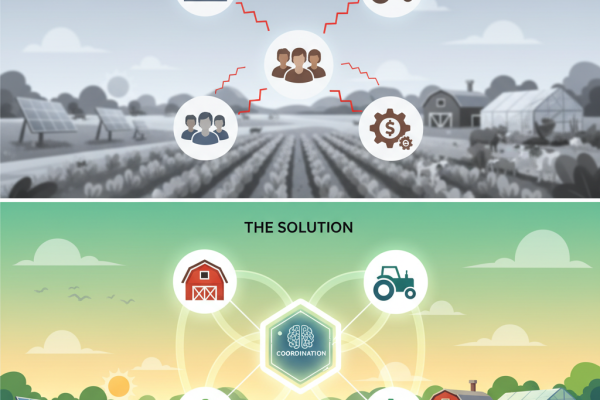
Corporate food exits rural and urban communities permanently, leaving a structural vacuum that neither policy nor institutional capital is designed to fill. The only infrastructure that works at that scale is coordination — and nobody’s funding it.
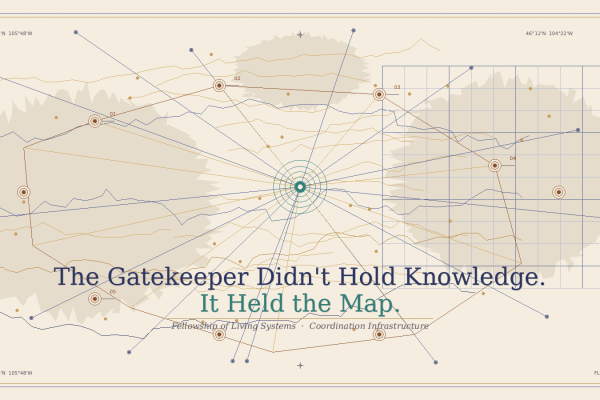
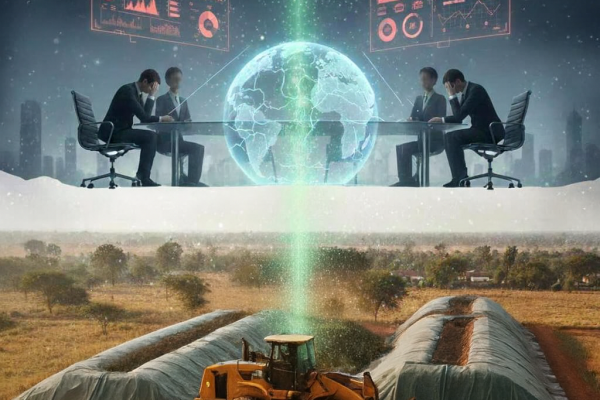
The gatekeepers of food systems, water, and community infrastructure don't hold knowledge — they hold the map. The Loading Dock Doctrine is how you build coordination infrastructure that routes around institutional gatekeepers before they realize the map has changed.
A 12-year journey from the playa to proving Burner principles work in the real world. From Burning Man to Kenya, Trinidad, Austin, and Colorado—this is the story of how bottom-up community power is building regenerative infrastructure that institutions won't.
Every systemic automator faces the same Luddite critique. From feather processing to AI writing, the pattern is identical: gatekeepers romanticize suffering to protect their position. Here's the infrastructure that makes their objections irrelevant.

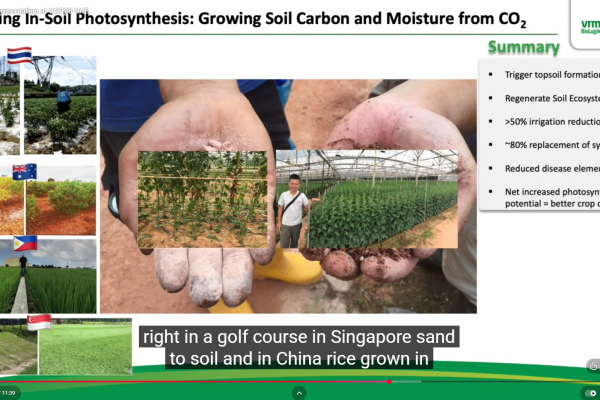
Bayer says it's pesticides or African starvation. The circular economy math they're hiding tells a different story — one where bacterial photosynthesis grows wheat on sand with zero irrigation in 32 countries.
Running a nightclub taught Shannon Dobbs more about systems design than any MBA. From 5 Star Saloon to Ensenada to Fellowship of Living Systems — the dance floor problem is always the same: how do you build space where wildly different people coordinate without anyone managing them?
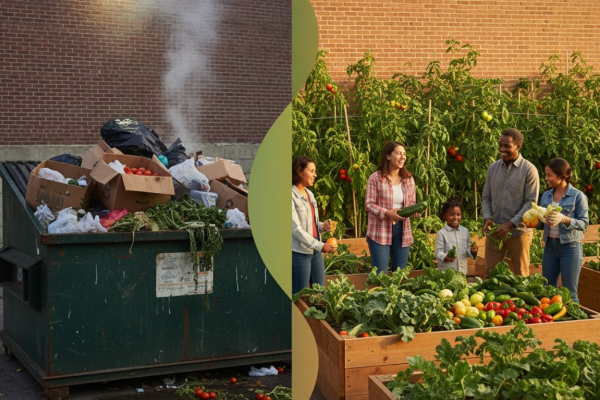
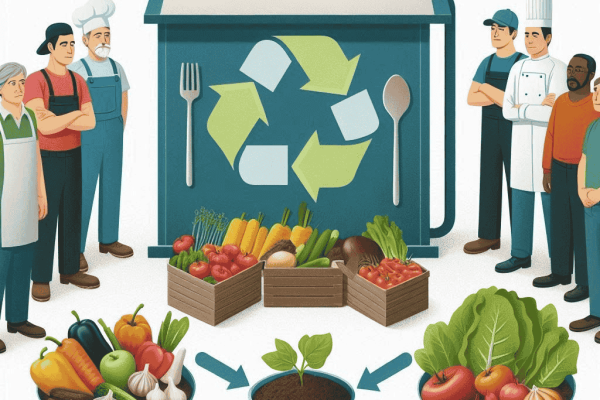
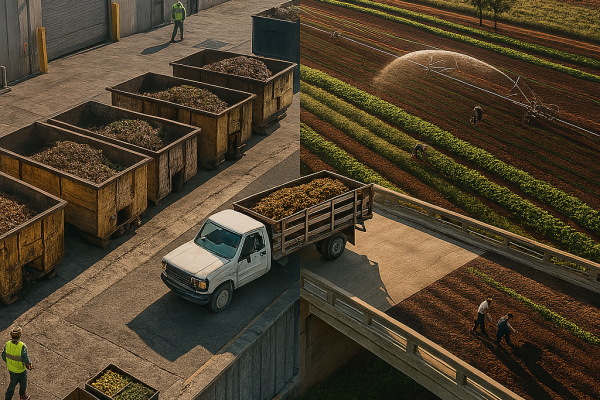
The US spends $970 billion annually on food waste while communities starve three miles away. From the 1992 LA riots to blast chillers rescuing 5 million meals — the food system isn't broken. It's working exactly as designed. Here's the coordination infrastructure that fixes the routing.
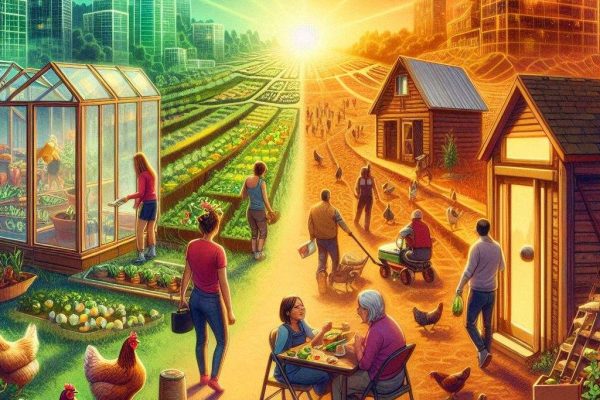
Climate solutions live in two worlds that refuse to talk. The policy Eloi debate transition roadmaps while the implementation Morlocks rescue 5 million meals with blast chillers. Coordination infrastructure bridges the Great Bifurcation.
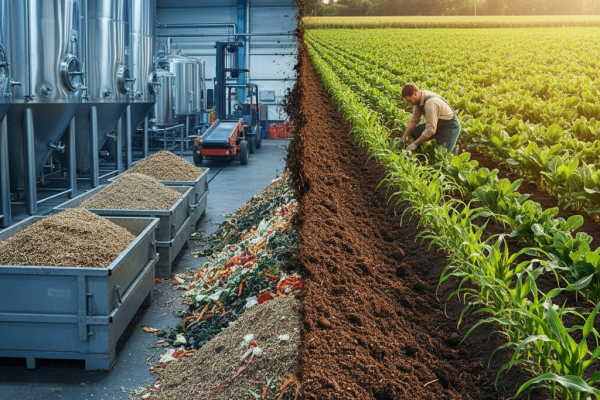
John Kempf solves the profit problem in regenerative agriculture. Coordination infrastructure solves the speed problem. Combined, urban waste streams become the missing acceleration layer that transforms farm transitions from years to months.
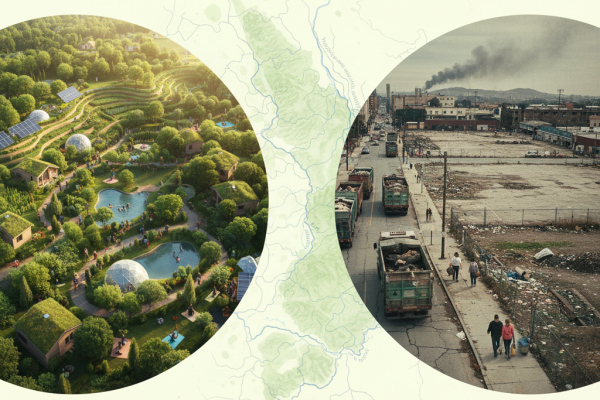
Intentional communities celebrate permaculture wins while ignoring the broken food systems just beyond their fence lines. Real regeneration means coordinating across the whole bioregion.
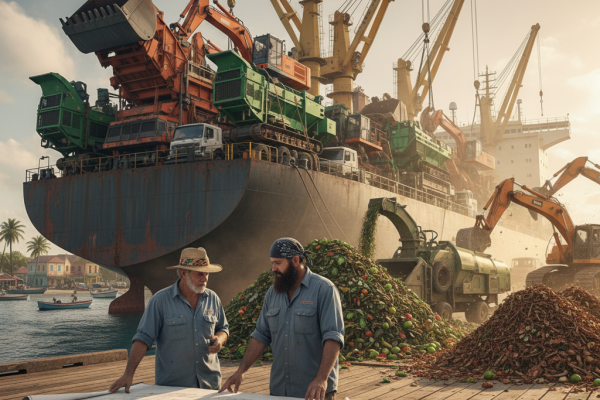
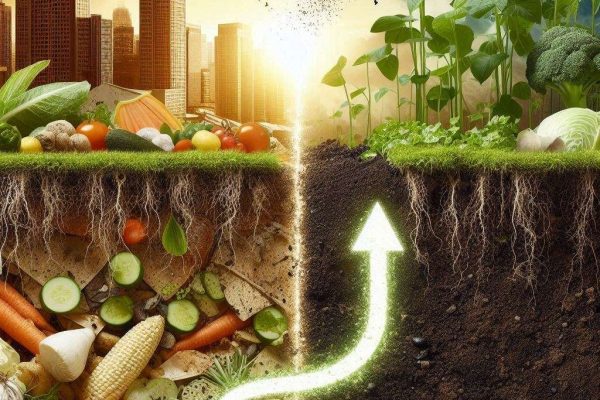
A mobile waste processing boat connects 47 Caribbean islands, turning organic waste into soil amendments and proving that coordination infrastructure beats isolated solutions.
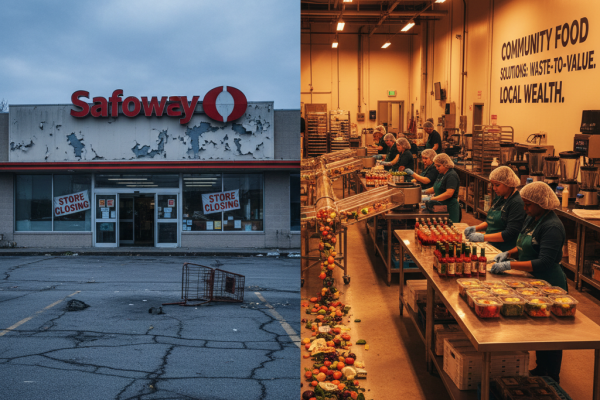
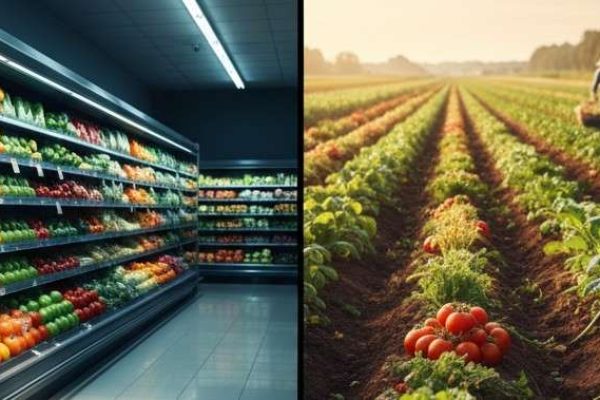
The American supermarket was built as Cold War propaganda infrastructure, not community food infrastructure. When private equity extracts and demographics shift, these stores close permanently — revealing a structural vacuum that food banks and policy alone cannot fill.
Turns out Stanford’s D-school has been studying exactly this approach. Professor Jeremy Utley’s research shows that practitioners who treat AI like a teammate instead of a tool get fundamentally different results. His example of one National Park Service employee saving 7000 days of labor across 430 parks demonstrates what becomes possible when you shift from asking AI questions to letting it ask you questions.
Most regenerative initiatives die in this translation gap – not because the ideas are bad, but because nobody can speak all the languages fluently while maintaining strategic coherence. The techniques I developed for navigating disability systems work perfectly for regenerative project coordination. AI collaboration designed for multi-stakeholder coordination could democratize this capability, accelerating implementation of solutions we desperately need.
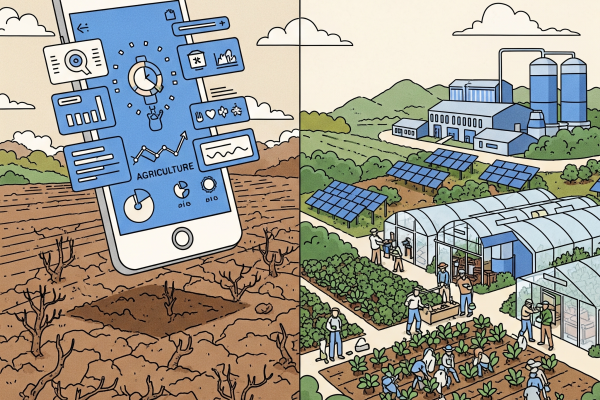
Venture capital has trained an entire generation of investors to look for 'Agricultural Uber' – some magical platform that will scale infinitely... Meanwhile, the actual agricultural transformation is happening in community-owned infrastructure that generates steady returns through essential services. The opportunity isn't hiding; it's building agricultural utilities—like waste-to-value processing and cold storage networks—that communities own and operate.
While most people were focused on holiday planning, RFK Jr. just declared war on evidence-based healthcare. The result? America's disease prevention infrastructure is now staffed by conspiracy theorists instead of doctors. Healthcare providers face an impossible choice: provide evidence-based care and risk losing their licenses, or comply with ideologically-driven guidelines that contradict decades of medical research.
Our current economic system expects individual heroism while providing minimal support infrastructure. This creates constant crisis for individuals while preventing communities from accessing their collective capacity. When everyone is struggling with individual survival, nobody has bandwidth for systemic challenges like climate adaptation or supply chain resilience. But coordination infrastructure that reduces individual load while building collective capacity addresses both simultaneously.
American food became performance art while real food security collapsed. A systems detective traces the path from Cold War propaganda to today's broken food landscape.
A friend died because coordination infrastructure didn’t exist. Larry Hernandez couldn’t access healthy food consistently. That loss became the catalyst for building the systems that should have been there all along — from Kenya to Trinidad to the Caribbean.
Impact leaders don't need marketing budgets — they need better relationship mechanics. A nightclub owner accidentally discovered the blueprint for regenerative community building.
Climate heroes think we're losing because information systems are fundamentally broken. The gap between breakthrough solutions and public awareness is the real crisis.
A food bank president told me directly: solving food insecurity would threaten their donor relationships. That confession exposed how the nonprofit industrial complex manages hunger as a permanent condition rather than a solvable infrastructure problem.
VC-backed climate startups keep failing because they’re designed for exit, not infrastructure. The alternative is community-owned coordination infrastructure that generates revenue while building the systems communities actually need.
Open source AI already won the war corporate tech doesn't want you to know about. Deepseek and distributed networks just handed every nonprofit and community organizer the tools to compete.
Military coalition building tactics applied to food system transformation. Special operations thinking meets community entrepreneurship to accelerate climate action where traditional approaches stall.
An alien visits Earth to observe how humans handle interconnected crises. What it finds: fragmented systems, siloed experts, and a food system nobody can see whole.
The Irish Potato Famine reveals a pattern playing out in America's food system today. The bottlenecks aren't technological — they're institutional. Here's how breaking through market access, equipment, and soil amendment barriers can transform regenerative agriculture.
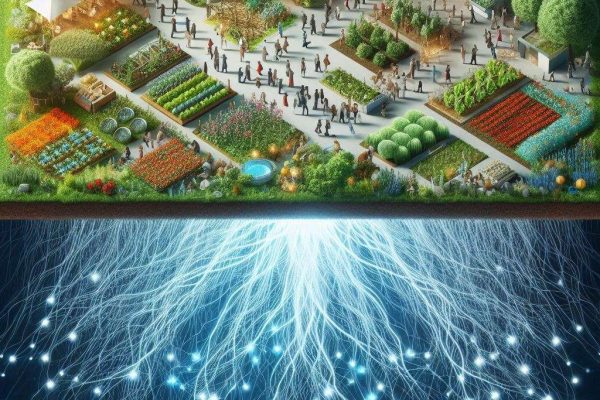
What if rebuilding community trust followed the same patterns as mycelium beneath a forest floor? From Ethereum localism to backyard cold frames, this is a story about creating conditions for connection rather than control.
Gamers have already mastered the skills we need to tackle climate change — resource management, team coordination, strategy under pressure, and making complex systems intuitive. The climate movement just hasn't recruited them yet.
When a military logistics specialist turned food systems advocate kept hitting the same institutional walls, a pattern emerged. The data pipeline between climate science and community action isn't broken — it's been deliberately compromised.